
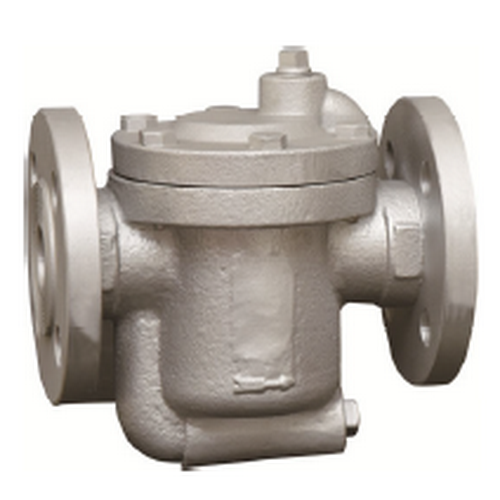
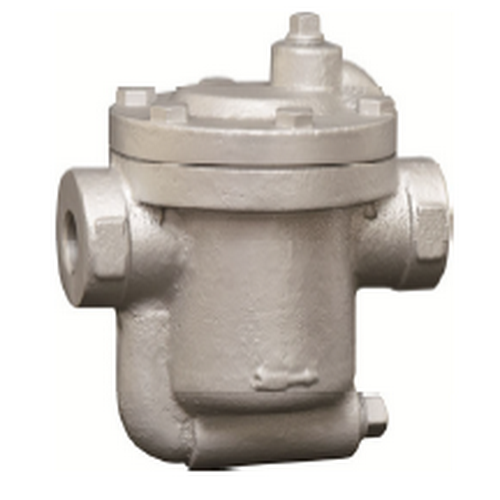
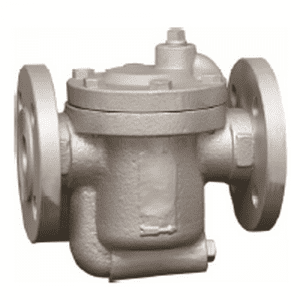
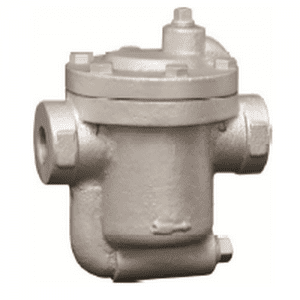
Energy-efficient Inverted Bucket Steam Trap
Technical Specifications
- Model: DBT-10F
- Size: DN15-DN25 (1/2″-1″)
- Applicable pressure: Max. 10 Bar (Kgf/cm2)
- Differential pressure: 7, 10 Bar (Kgf/cm2)
- Applicable temperature: below 220°C
- Connection type: Flanged
- Body: Cast Iron
- Trims: Stainless Steel
- Suitable for steam service
Product Description
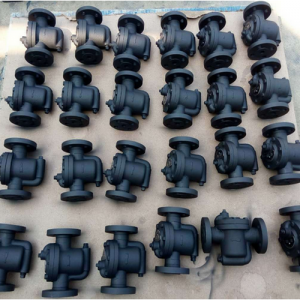
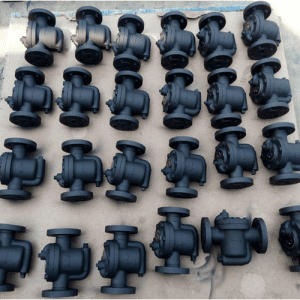
This is a product of which we export over 8,000 to 10,000 units to the United States annually. They are widely used in industries such as printing and dyeing, commercial laundry, food processing, and pharmaceuticals.
Download Technical Documents: Click to download PDF datasheet & selection guide.
Overview
The inverted bucket steam trap is a robust mechanical condensate‑discharging device extensively applied in industrial steam piping, heat exchangers and process heating equipment. It works by leveraging buoyancy difference between steam and condensate to achieve automatic condensate drainage and steam shut‑off.
Working Principle
- During startup, the bucket sinks under weight, opening the valve outlet to discharge cold condensate and trapped air.
- When steam enters the bucket, buoyancy lifts the bucket to close the valve, preventing live‑steam leakage.
- Once internal steam condenses into water, buoyancy disappears. The bucket drops down and re‑opens the valve for condensate discharge.
- This cycle repeats automatically during continuous operation.
Main Features & Advantages
- Heavy‑duty metal structure, excellent resistance to water hammer, long service lifespan
- Tolerates moderate dirt and impurities inside condensate
- Reliable operation under high‑temperature saturated steam conditions
- Simple internal components for convenient on‑site maintenance
Limitations
- Must be installed strictly vertically; wrong installation causes malfunction
- Steam blow‑by risk when water seal is destroyed by sudden pressure surges
- Slow response under light‑load working conditions
- Insufficient air‑venting capacity at low‑temperature startup
Application Scope
Recommended: Steam pipelines and heating equipment with relatively stable operating pressure
Not suitable: Working conditions with frequent sharp pressure fluctuations or extremely low condensate load